Your gut can be unpredictable, confusing, and downright irritating at times, but you’re definitely not alone. Ten to 25 percent of healthy people experience bloating.
So if it happens so often, why is it so difficult to pin down exactly what’s causing your discomfort? It turns out, one of the most common sources of your bloating could be hiding in many of the foods you eat.
Feeling bloated? Here’s what it means.
People often think bloating is simply water retention, but that’s actually not the case. Ultimately, bloating occurs when gas builds up in your GI tract, disturbing how things move in your digestive system. Anything from overindulging on a meal to constipation, food sensitivities, or chronic GI conditions can lead to a bloated stomach.
Ideally, the gut has a ratio of 85 percent good to 15 percent bad bacteria. When this ratio starts to flip, symptoms like bloating and gas arise. That’s when you start to feel uncomfortable, possibly experiencing symptoms like:
- Excessive belching
- Gas
- Abdominal rumbling
- Nausea
- Stomach pain or tightness
What causes bloating?
Many people are quick to call out gluten, dairy or soy as the primary cause of uncomfortable bloating. And while these food groups can cause unpleasant side effects for many, people tend to look past another extremely common culprit: sugar. Sugar feeds the bad bacteria in the gut, which can overpower the beneficial bacteria in your system—throwing off that 85/15 ratio that’s so important to gut health.
Over time, excess sugar consumption can continue to reduce beneficial gut flora. If not addressed early, bacteria imbalances can lead to more serious, long term gut disturbances like candida, small intestinal bacterial overgrowth (SIBO) and intestinal permeability. So learning how to get rid of bloating early on is really important.
Foods that cause bloating
So what foods are the worst for your bloating? Foods high in all types of sugar can contribute to discomfort in some people. Similar to lactose intolerance, some people can be sensitive to sugars such as galactose, sucrose and fructose. For these individuals, instead of the sugar being absorbed in the small intestine, it reaches the colon where it’s fermented by your gut bacteria producing gas. To limit gas, avoid foods high in natural and processed sugar such as:
- Fresh or store bought juices
- High-sugar fruits such as apples, grapes and mangoes
- Protein and granola bars
- Baked goods (even the gluten free ones!)
- Processed sauces, salad dressing and condiments
We recommend staying below 20 grams on a daily basis. Many of our members find that they are able to eliminate bloating when they remove refined and added sugar.
How Magnesium Can Help Your Bloated Belly
Magnesium is one of the most influential essential minerals for our overall health, yet an estimated 30 percent of adults are deficient in it. It controls over 600 enzymatic reactions, including processes like energy production, blood glucose maintenance and nerve function. Importantly, it decreases fluid retention and can stimulate bowel movement by relaxing intestinal muscles.
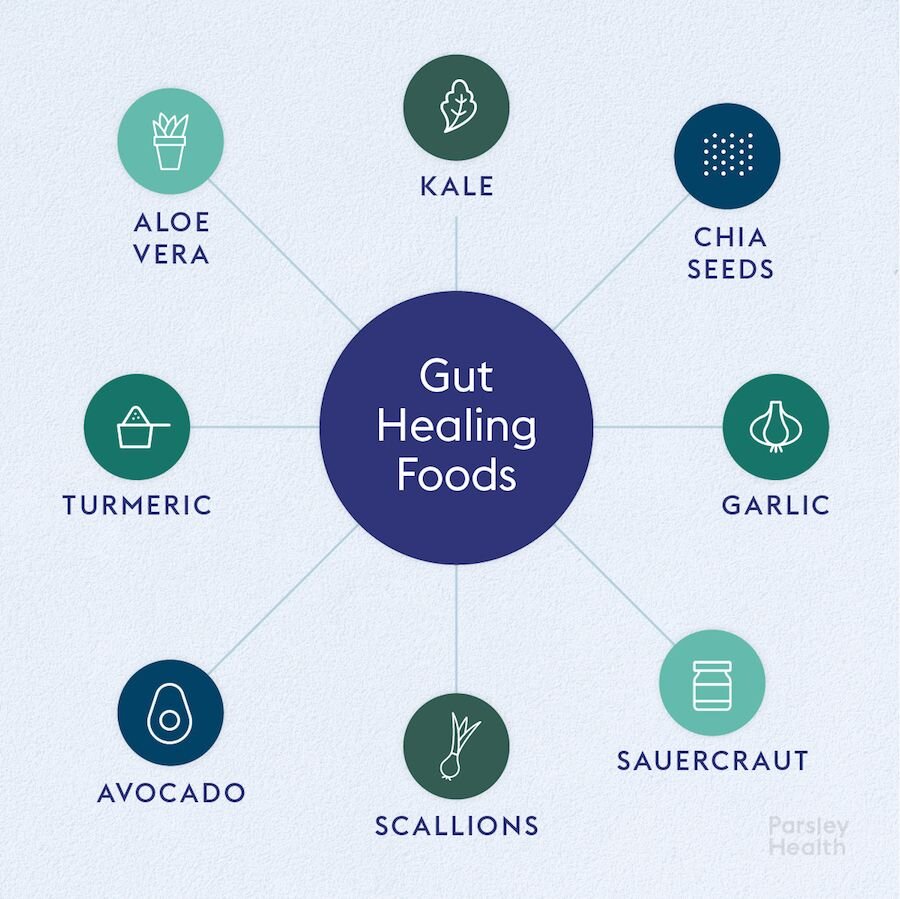
If you have frequent bloating, make sure you’re eating foods that contain magnesium. Common magnesium-rich foods include collard greens, chard, kale, spinach, pumpkin seeds and sesame seeds. Soaking seeds and nuts for two to six hours will make them even easier to digest. If you do experience bloat and overall digestive discomfort often, I suggest blending magnesium-rich greens into soups or lightly sautéing or steaming greens to decrease the overall demand on your digestive system. But getting enough magnesium from foods alone can be challenging, so we often recommend taking a magnesium supplement to reach daily levels (roughly 310-320 mg a day for women or 400-420 mg for men).
If you’re still feeling bloated after making these lifestyle changes, it could be a sign of something deeper. Sometimes your bloating may be a result of more serious chronic diseases like IBS and Crohn’s Disease. Be sure to talk to your doctor and if you can’t seem to find any relief.