The best foods for anxiety and depression
1. Berries
Fruit, in general, provides beneficial phytonutrients (plant compounds), antioxidants, vitamins, and minerals that support brain health and emotional regulation. However, many fruits are high in sugar. When consumed in excess, this can worsen blood sugar swings and inflammation, both of which are linked to mood instability.
Berries (raspberries, blueberries, blackberries, strawberries) stand out because they’re lower in sugar and higher in vitamin C and polyphenols, nutrients associated with reduced oxidative stress and improved mood. One cup of strawberries provides 100% of the recommended daily value of vitamin C, and higher vitamin C levels have been associated with improved mood.
Serving tip: Add fresh or frozen berries to smoothies, oatmeal, yogurt, or chia pudding, or enjoy them with a handful of nuts to blunt blood sugar spikes.
Considerations: Frozen berries are just as nutritious as fresh, cost less, and last longer.
2. Asparagus
Asparagus is one of the richest food sources of folate, a B vitamin essential for neurotransmitter synthesis and methylation—processes critical to brain function and mood regulation. Depression is the most common mental health symptom associated with low folate levels. Research has also found that between 15-38% of adults diagnosed with depression have inadequate folate stores in their blood. Finally, adequate folate intake may support the effectiveness of antidepressant medications when used under medical supervision.
Just four asparagus spears provide about 22% of your daily folate needs.
Serving tip: Roast asparagus with olive oil, garlic, and lemon; add it to omelets or grain bowls; or lightly steam it and toss with tahini.
Considerations: Lentils, chickpeas, spinach, and broccoli are also rich in folate and often less expensive (especially when asparagus is out of season).
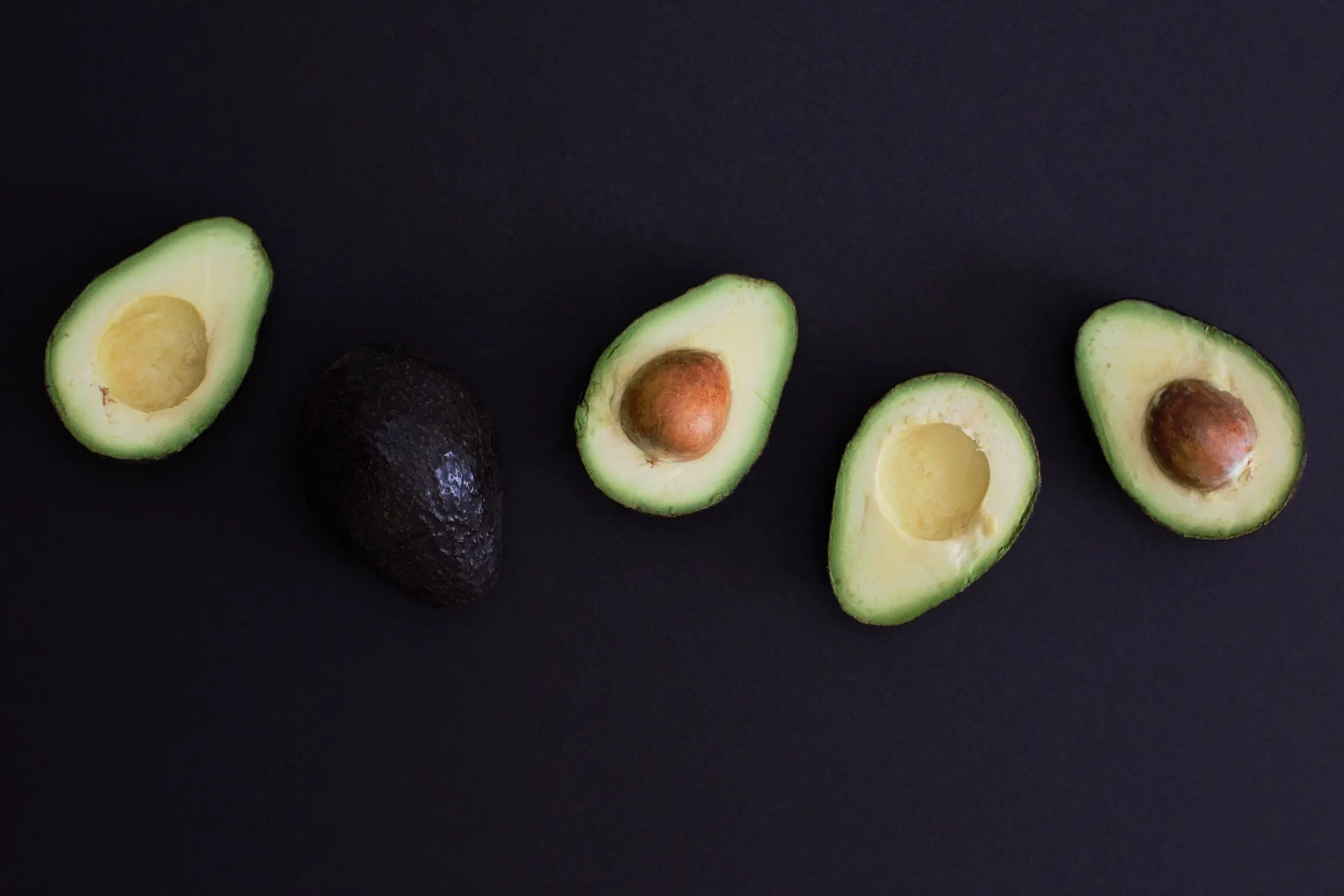
3. Avocados
Avocados are packed with nutrients that support brain chemistry, including magnesium, vitamin B6, and folate. Magnesium plays a role in dopamine production and nervous system regulation, with low magnesium levels commonly observed in people with depression. One cup of cubed avocado packs roughly 42.3 mg magnesium (10 percent of your daily value), 0.375 mg vitamin B6 (22 percent of your daily value), and 118 micrograms folate (30 percent of your daily value).
Serving tip: Add avocado to salads, smoothies, or toast; mash it into dips; or pair it with eggs for a nutrient-dense breakfast.
Considerations: Avocados are calorie-dense, so about ¼–½ an avocado per serving is ideal.
4. Wild fish
Multiple studies link higher fish consumption with a lower incidence of depression and anxiety due to the presence of omega-3 fatty acids—particularly EPA and DHA—which support brain cell communication, help regulate inflammation, and play a key role in neurotransmitter signaling and neuronal membrane health.
If you don’t eat meat or have difficulty incorporating fish into your diet, fish oil or algae-based omega-3 supplements can help provide EPA and DHA, the forms of omega-3s most strongly linked to cardiovascular, brain, and anti-inflammatory benefits.
Flax seeds, chia seeds, and hemp seeds are rich sources of ALA, a plant-based omega-3. While ALA is beneficial, only a small percentage is converted to EPA and DHA, so plant sources may not provide the same effects unless intake is high or supplemented with algae-based omega-3s.
Serving tip: Try to eat omega-3 rich fish sources at least twice per week. Grill or bake salmon, add canned sardines to salads or toast, use anchovies blended into dressings, or mix canned salmon into patties.
Considerations: Choose wild-caught fish when possible and opt for low-mercury options (salmon, sardines, anchovies, trout). Limit high-mercury fish like swordfish, tuna, and king mackerel.
5. Protein powder
Protein provides amino acids, the building blocks for neurotransmitters that regulate mood, focus, and motivation. For example, tryptophan is a precursor to serotonin, while tyrosine is needed for dopamine production. Adequate protein intake supports overall neurological function and emotional resilience.
Protein powder is a convenient and tasty way to meet protein needs, especially for vegetarians, vegans, or people with low appetite.
Serving tip: Aim for a serving size that includes at least 15 grams of protein (whether 1-2 scoops, depending on the protein powder type and source). Blend protein powder into smoothies with berries, avocado, nut butter, and leafy greens for a balanced, blood-sugar-stable meal.
Considerations: Choose protein powders with minimal added sugar and third-party testing. Whey, pea, and hemp protein are all solid options depending on dietary needs.
6. Eggs
Eggs are one of the best dietary sources of choline, a nutrient required to produce acetylcholine—a neurotransmitter involved in mood regulation, memory, and learning. One large egg provides about 27% of the daily recommended intake for choline.
Eggs also contain protein, B vitamins, and vitamin D, all of which support brain and nervous system health.
Serving tip: Boiled, scrambled, or poached eggs are great added to grain bowls or salads. Pair an olive oil-fried egg with roast vegetables for a fast, cheap, and balanced meal.
Considerations: If cholesterol is a concern, discuss egg intake with your clinician. Most people can safely enjoy eggs as part of a balanced diet.
How to incorporate these foods into your diet
It can be difficult to implement major dietary changes all at once—especially when you’re already dealing with anxiety, low mood, or burnout. Consistency matters far more than perfection. The goal isn’t to overhaul your diet overnight, but to build momentum with small, doable changes that fit your real life.
“I always encourage people to think in terms of adding rather than restricting,” says Kelly Candela, RD, Director of Nutrition Coaching at Parsley Health. “It’s much easier to support mental health when you layer in nutrient-dense foods you enjoy, instead of trying to follow a rigid set of rules.”
Start by identifying meals you already eat regularly and look for simple upgrades like adding berries to breakfast, including a protein source at every meal, or pairing carbs with fat or protein to support steadier blood sugar.
“Mood-supportive eating doesn’t have to be complicated,” Candela explains. “Simple food pairings—like berries with nuts, eggs with vegetables, or protein powder blended with avocado—go a long way toward stabilizing blood sugar and supporting neurotransmitter production.”
Planning ahead can also make healthy choices feel easier and more enjoyable. Keeping frozen berries on hand, stocking canned fish, or prepping a batch of roasted vegetables once or twice a week can remove decision fatigue.
“Personalization is key,” says Candela. “If something feels overwhelming or unenjoyable, it’s unlikely to stick. Choose formats that feel fun and realistic for you, whether smoothies, bowls, snack plates, or one-pan meals, and build from there.”
A sample day of eating foods for serotonin:
- Breakfast: A smoothie with protein powder, frozen berries, avocado, and spinach
- Lunch: A grain bowl with leafy greens, roasted asparagus, olive oil, and a soft-boiled egg
- Snack: Greek yogurt topped with berries or chia seeds
- Dinner: Wild-caught salmon with roasted vegetables and quinoa
Simple food combinations make it easier to follow a mood-supporting diet. Try these pairings:
- Berries → nuts or yogurt
- Eggs → roast vegetables
- Fish → leafy greens
- Protein powder → avocado smoothies
You can also support mental health by eliminating foods that don’t serve you. Eating high sugar or ultra-processed foods, for example, may worsen inflammation, blood sugar swings, or gut imbalance, all of which can negatively affect mood.
Foods to limit (enjoy occasionally)
- Added sugars can contribute to blood sugar crashes that mimic anxiety and irritability
- Refined carbohydrates lack fiber and can destabilize energy and mood.
- Highly processed snack foods are often low in nutrients and high in inflammatory oils
- Excess caffeine may worsen anxiety, sleep issues, and cortisol imbalance
- Alcohol disrupts sleep, gut health, and neurotransmitter balance. No amount is considered advantageous for mental health but if you drink, work to limit consumption to once or twice a week, 1-2 drinks maximum.
Foods to avoid (especially if struggling with mood)
- Ultra-processed foods like fast food and processed meats are linked to higher rates of depression.
- Sugar-sweetened beverages spike blood sugar and increase systemic inflammation.
- Trans fats and hydrogenated oils are associated with inflammation and poorer mental health outcomes.
- Artificial sweeteners (in excess) may negatively affect the gut microbiome.
Meal prep for your emotional well-being by roasting a whole tray of vegetables, hard-boiling a batch of eggs, and stocking up on frozen berries and canned fish.
If you’re just getting started, add one or two good mood foods per week—and work on limiting foods that make you feel worse. Small steps are far more sustainable than a total overhaul.
Nitty gritty: the gut-brain connection and mental health
The gut and brain communicate constantly through the gut-brain axis, a complex network linking the digestive tract, immune system, and nervous system. This connection plays a major role in nutrition and mental health. Whole, minimally processed foods support the gut-brain axis and help create the biological conditions needed for emotional resilience and stable mood.
Here are some quick facts about the gut-brain axis:
~90% of serotonin is produced in the gut.
This serotonin is influenced by gut microbes and dietary inputs. It doesn’t directly cross into the brain, but it does affect vagus nerve signaling and stress response (critical factors in mood regulation). Its production depends on a healthy, diverse gut microbiome populated with beneficial bacteria.
Chronic inflammation is a significant factor connecting diet and depression.
When the gut barrier becomes compromised (often called "leaky gut"), inflammatory compounds can enter the bloodstream and trigger systemic inflammation that affects brain function and mood. This is where an anti-inflammatory diet for depression becomes essential. Foods rich in omega-3s, polyphenols, and fiber actively reduce harmful inflammation while supporting beneficial gut bacteria and strengthening the intestinal barrier.
Good mood foods work to heal the gut.
Fiber-rich plants, fermented foods, and polyphenol-rich foods (like berries, leafy greens, olive oil, and fatty fish) help increase short-chain fatty acids, reduce inflammation, and support healthier gut–brain signaling. Improvements in gut integrity and microbial balance are associated with better emotional regulation and reduced depressive symptoms.
A healthy gut microbiome works to regulate key neurotransmitters.
Beneficial gut bacteria influence the availability of amino acids (like tryptophan for serotonin) and B vitamins required for neurotransmitter synthesis. Diets lacking fiber and diversity can disrupt these processes, while whole-food, anti-inflammatory eating patterns restore microbial balance for optimal mental health support.
It’s important to note that while food plays a meaningful role in supporting the gut–brain axis, nutrition alone is not a cure for anxiety or depression. Dietary changes work best as a complementary strategy, rather than as a replacement for evidence-based mental health care. Always work with a qualified healthcare professional to determine the right treatment plan for you.
Beyond food: other nutritional factors that affect mood
If you’re trying to manage diet and depression, meal patterns can be just as important as meal contents. If you’ve ever lost your temper after forgetting to eat, you know that timing and consistency play a powerful role in emotional regulation. Blood sugar dysregulation causes an increase in stress hormones. Similarly, dehydration can cause brain fog and disrupt nervous system health.
Blood sugar stability and mood
Blood sugar swings can feel indistinguishable from anxiety.
- Skipping meals causes rapid blood sugar drops. Refined carbohydrates can have the same effect unless paired with protein, fiber, and fat.
- Symptoms may include irritability, shakiness, racing thoughts, fatigue, or brain fog.
- These dips trigger stress hormones like cortisol and adrenaline, worsening anxiety.
What helps:
- Pair carbohydrates with protein, healthy fats, and fiber (berries + yogurt, rice + fish, toast + eggs).
- Eat regular meals and snacks every 3-4 hours during the day, especially during high-stress periods.
Hydration and emotional regulation
The brain is particularly sensitive to fluid balance, so even mild dehydration is associated with changes in mood, concentration, and energy.
What helps:
- Drink water consistently throughout the day, not just when thirsty.
- Reach for hydrating foods like soups, smoothies, fruits, and vegetables.
Meal timing, circadian rhythm, and stress hormones
Eating patterns influence cortisol balance, sleep quality, and circadian rhythm.
- Irregular meal timing can disrupt circadian rhythm.
- Late-night eating may interfere with sleep, metbolism, and next-day emotional regulation.
- Long gaps between meals can increase stress hormone output.
What helps:
- Try to eat meals at the same times each day.
- Avoid skipping breakfast, particularly if you’re prone to anxiety.
- Eat a nourishing dinner 2-3 hours before bedtime to support better sleep.
Frequently asked questions
Can food really help with depression and anxiety?
Food can play a meaningful supportive role in mental health, but it isn’t a standalone treatment. Research shows that nutrition affects inflammation, gut health, neurotransmitter production, and blood sugar balance, all of which influence mood. Eating well can help create the biological conditions for better emotional resilience and may reduce symptom severity, especially when combined with therapy, medication, and lifestyle support.
How long does it take for dietary changes to affect mood?
This varies from person to person. Some people notice improvements in energy, focus, or mood within a few weeks—especially when stabilizing blood sugar or reducing ultra-processed foods. For deeper changes related to gut health, inflammation, or nutrient repletion, it may take several weeks to a few months of consistent dietary changes to see meaningful effects.
Should I take supplements or just eat these foods?
Whole foods are generally the best place to start, as they’re more bioavailable and provide multiple nutrients that work together. Supplements can be helpful in certain cases—such as documented deficiencies or higher needs—but they’re best used under medical guidance, not as a replacement for a balanced diet.
What foods should I avoid if I have anxiety or depression?
Many people feel better limiting ultra-processed foods, added sugars, refined carbohydrates, excess caffeine, and alcohol. These foods can worsen inflammation, disrupt blood sugar, and negatively affect the gut-brain connection—all of which may intensify mood symptoms.
Can nutrition replace antidepressant medication?
No. Nutrition should not replace antidepressant medication or other prescribed mental health treatments. Food works best as a complementary strategy, helping support overall brain and body health. If you’re considering changing or stopping medication, always do so with guidance from a qualified healthcare provider.