


Why does your body feel heavy and tired, even when you think you are doing everything right? The answer is rarely one thing. Persistent heaviness and fatigue are usually the result of overlapping factors: hormonal imbalances, metabolic issues, nutritional gaps, poor sleep, or chronic stress. In many cases, more than one is at play.
Understanding the root cause is the only way to actually address it. Below, we walk through the most common reasons the body feels heavy or sluggish, and what you can do to start feeling lighter and more energized.
Many factors can play a role into why your body feels heavy. Read on for more reasons why your body might feel heavy and how to optimize your activities, digestion, and mindfulness practices to feel lighter and more energized.
Because heaviness and fatigue usually stem from more than one overlapping factor, they’re often missed when each symptom is treated in isolation. At Parsley Health, our clinicians look at the whole picture, hormones, metabolism, nutrient levels, gut health, and stress, to uncover what’s really weighing you down. See if root-cause care is right for you.
Why Does My Body Feel Heavy? Common Medical and Lifestyle Causes
Pinpointing, on your own, exactly why you might have an ongoing or sudden feeling of heaviness can be difficult. Feeling heavy and fatigued is rarely caused by just one thing. It’s often the result of overlapping metabolic, hormonal, digestive, and mental health factors.
If any of the following symptoms or lifestyle factors sound familiar, you may wish to consult a doctor to learn how we can help you.
Tired of guessing why you feel this way?
Any one of the causes below could be the culprit — or several at once. Rather than testing one theory at a time, Parsley Health clinicians use comprehensive functional testing to look at your hormones, metabolism, nutrient levels, and gut health together, then build a personalized plan around what they find. Tell us about your symptoms to get started.
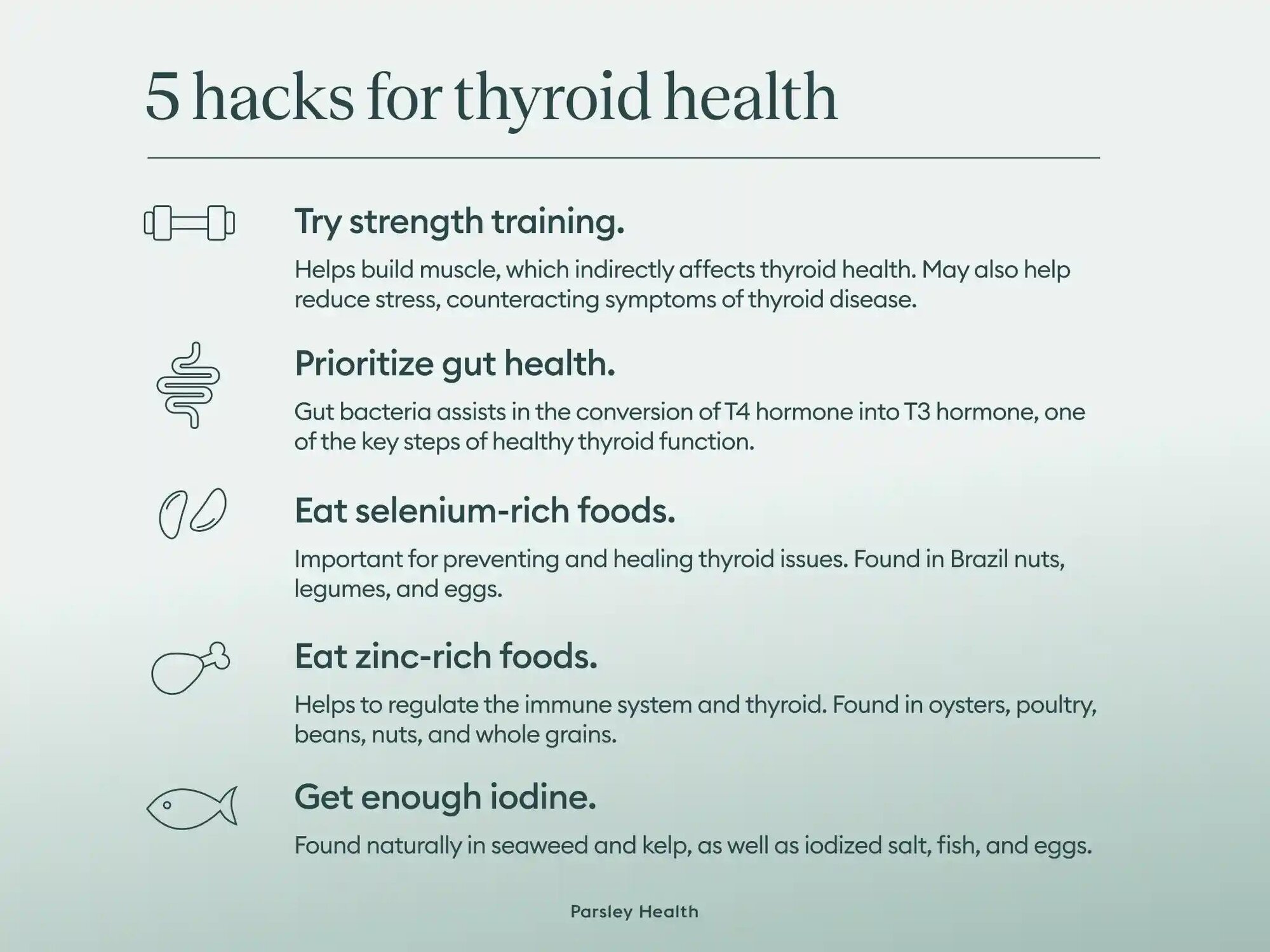
Thyroid condition
An underactive thyroid (hypothyroidism) can slow your metabolism and contribute to feeling heavy and sluggish.
A thyroid imbalance can slow metabolic processes in the body, including digestion. Gastrointestinal issues like bloating and constipation may result. Hypothyroidism can even cause difficulty with weight management.
Food intolerances
Allergies or intolerances to common ingredients, like dairy and gluten, can trigger inflammation. A food sensitivity could be why your body feels heavy and bloated.
Intolerances can make breaking down certain ingredients more difficult for your GI tract, leading to gas, bowel movement irregularity, and more.
Insulin resistance
Insulin resistance could be another reason why your body feels heavy. Insulin resistance is present when someone has prediabetes or Type 2 diabetes. However impaired insulin signaling can occur many years before these conditions show up on various glucose tests.
When the body is insulin resistant, cells resist the action of the hormone insulin. This hinders glucose—the fuel the body produces from consumed carbohydrates—from moving out of the bloodstream and into cells.
When glucose is unable to get into your cells, you’re likely to feel heavy, fatigued, and sluggish. Glucose is essential for your cells to carry out their regular processes and create energy. If you have insulin resistance, the body is less efficient at producing energy, leaving you feeling heavy and tired.
Poor diet
A diet low in protein, healthy fats, or essential vitamins and minerals can lead to fatigue.
Ultra-processed foods can also lead to feelings of heaviness because of their impacts on metabolism and their association with disease processes. They also drive inflammation. And they can lead to nutrient deficiencies because they are often void of healthy nutrients.
Low iron
Your iron levels might be a factor in feeling fatigue. Without sufficient iron, your body lacks what it needs to produce hemoglobin, a molecule that helps distribute oxygen throughout the body. Without being adequately oxygenated, you might feel a noticeable lack of energy.
An iron deficiency is one cause of anemia. Anemia is a blood disorder in which your body lacks enough healthy red blood cells or hemoglobin to transport oxygen to tissues.
Cancer treatments, such as chemotherapy and radiation, can also contribute to iron deficiency, according to the National Cancer Institute.
Get your levels checked through your provider to confirm a deficiency before supplementing with an appropriate dose of iron. Too much iron can be toxic.
Vitamin deficiency
A vitamin deficiency can also leave you feeling sluggish.
Vitamin B12 plays a role in energy metabolism. So a deficiency in this vitamin may leave you feeling lackluster. A vegetarian or vegan diet, several health conditions, certain medications, and nutrient absorption issues may contribute to a B12 deficiency. You can get B12 from animal products. A key vegan source is nutritional yeast.
A vitamin D deficiency can also lead to fatigue, brain fog, and muscle weakness. You can be deficient in vitamin D due to diet, lack of sun exposure on skin, or an issue with nutrient absorption.
Get your levels checked through your provider to confirm a vitamin deficiency before supplementing with an appropriate dose in a way that your body can properly absorb the nutrients you need.
Dehydration
The human body is 55 to 65 percent water. A lack of energy or feeling sluggish can result from dehydration.
Depression
A feeling of heaviness can also have a connection to your mental health. Symptoms of depression may include a lack of energy.
External factors can be at the root of depression. Internally, however, depression is linked to an imbalance of neurotransmitters, such as dopamine, serotonin, and norepinephrine.
These neurotransmitters help regulate energy, appetite, motivation, and pleasure. So when you're depressed, you may feel tired, unmotivated, and not like yourself.
Anxiety
If you struggle with persistent anxiety, you may feel jittery or panicky in the moment. But chronic anxiety can leave you feeling depleted due to anxiety's associations with chronic stress.
Stress
Chronic stress can affect certain processes in the body and add to feeling heavy.
When the sympathetic nervous system, your fight-or-flight mode, is constantly activated, you can produce too much cortisol, a stress hormone released by the adrenal glands.
Fight-or-flight mode suppresses your rest-or-digest mode, which can lead to GI issues that make you feel heavy. The long-term effects of chronic stress can also lead to fatigue.
Over-production of cortisol can be related to several underlying conditions, including Cushing disease, which may involve a tumor of the adrenal gland or use of steroids.
If you regularly feel unexplained heaviness or fatigue, you may wish to have your stress hormone levels evaluated.
Fatigue
Fatigue in general can leave you feeling weighed down. Fatigue can have multiple root causes, from sleep disorders to respiratory conditions. If you're experiencing regular and unexplained fatigue, be sure to talk to your doctor.
Lack of exercise
The more you move your body, the more energy you may feel. That may seems strange, since physical activity expends energy. However, exercise has long been associated with a reduction in fatigue and an increase in vitality.
Physical activity's ability to boost energy could be for several reasons. Exercise improves insulin sensitivity. It releases endorphins, or feel-good chemicals. And over time it can make everyday tasks, like climbing stairs, toting groceries, or just getting around, easier, leaving you with more energy for the fun aspects of life.
Poor sleep quality
Sleep allows the body to recuperate. But if we get inadequate sleep or face constant sleep disruptions, next-day fatigue and heaviness can result. A lack of quality and quantity sleep may be because of shift work, jet lag, caring for an infant or small children, and more.
If you're experiencing unexplained poor sleep, be sure to seek an evaluation from your doctor for any underlying conditions, such as sleep apnea.