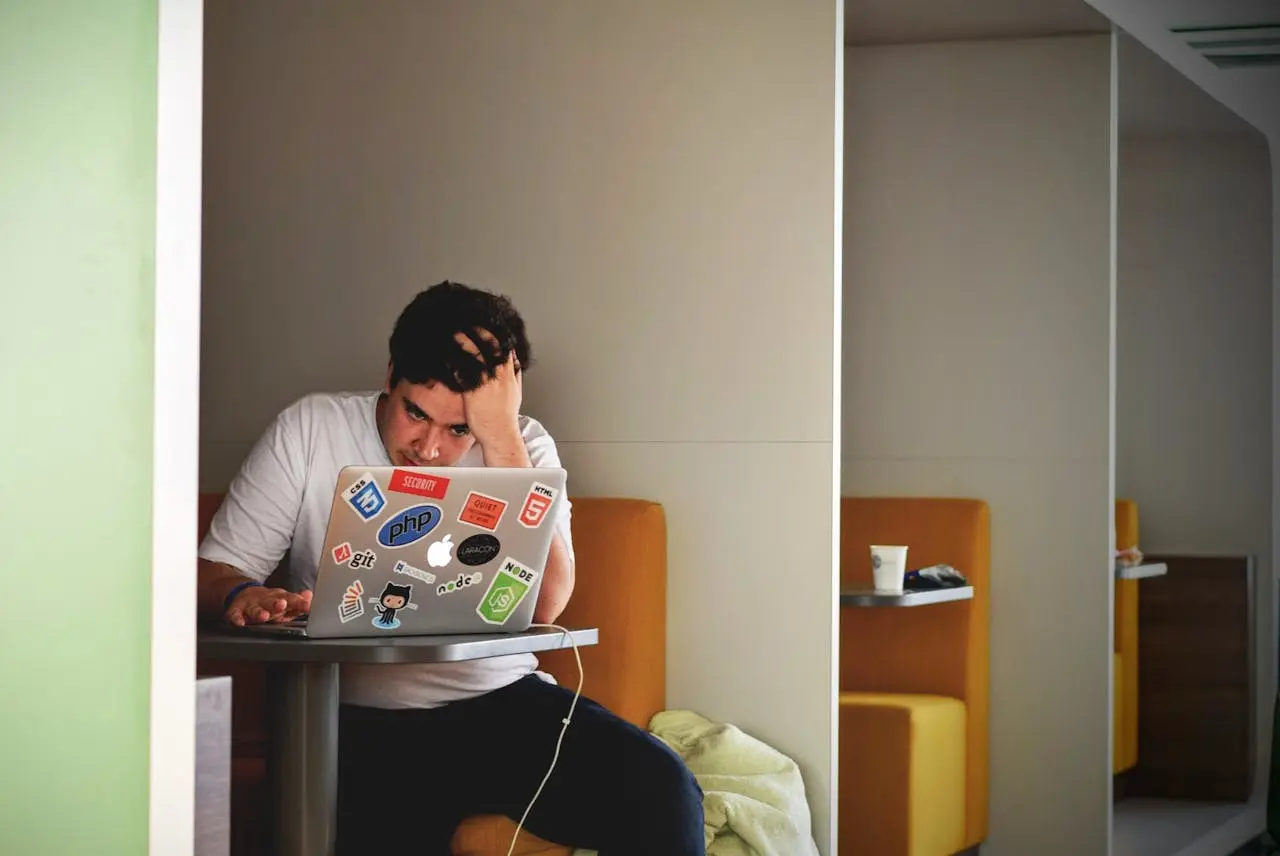
10 Ways to Manage Anxiety Naturally (Without Medication)
Anxiety is one of the most common mental health challenges today, affecting millions of people across all ages and backgrounds. For some, anxiety shows up as constant worry or racing thoughts. For others, it feels physical, like a tight chest, digestive discomfort, restlessness, or trouble sleeping. While medication can be an important and necessary part of treatment for many people, it is not the only tool available.
As awareness around mental health grows, more individuals are looking for ways to manage anxiety naturally, whether as a complement to therapy or medication, or as a first step for milder symptoms. This has led to increased interest in lifestyle-based strategies that support the nervous system, reduce stress, and help the body respond more calmly to everyday challenges.
Natural approaches to anxiety management focus on foundational factors such as sleep, movement, nutrition, stress regulation, and emotional coping skills. These strategies are not about ignoring anxiety or pushing through it. Instead, they aim to address the underlying contributors that can make anxiety feel more intense or persistent over time.
This article explores 10 evidence-informed ways to manage anxiety naturally, without medication, while keeping safety front and center. These approaches are meant to support overall mental well-being, not replace professional care. If anxiety is interfering with daily life, worsening, or accompanied by panic attacks or depression, working with a qualified healthcare provider is essential.
Whether you are looking to build healthier habits, reduce daily stress, or better understand how your body responds to anxiety, the strategies below can help you take meaningful, supportive steps forward.
Key Takeaways
Natural strategies can help manage anxiety symptoms, but they are not a cure and should not replace professional care or prescribed medication.
Lifestyle habits that support the nervous system, including sleep, movement, nutrition, and stress regulation, play a meaningful role in anxiety.
Anxiety affects both the mind and body, which is why whole-person approaches are often most effective.
If anxiety is persistent, worsening, or interfering with daily life, working with a qualified clinician is essential.
Finally feel like yourself again
Join 89% of Parsley members who improve or eliminate their symptoms within the first year of care.
Anxiety is a normal human response to stress, uncertainty, or perceived danger. For many people, it shows up occasionally and resolves on its own. For others, anxiety can become frequent, intense, or disruptive, affecting daily functioning, relationships, sleep, and overall health.
Anxiety does not look or feel the same for everyone. Some people experience it primarily as excessive worry or racing thoughts, while others notice more physical symptoms. Common experiences of anxiety may include:
Persistent nervousness, fear, or a sense of impending danger
Difficulty concentrating or quieting the mind
Rapid heartbeat, chest tightness, or shortness of breath
Muscle tension, restlessness, or fatigue
Digestive discomfort, nausea, or changes in appetite
Trouble falling or staying asleep
Importantly, anxiety is not “all in your head.” It involves real physiological changes in the nervous system, stress hormones, and brain chemistry. When the body stays in a prolonged state of stress, these systems can become dysregulated, making anxiety feel harder to control over time.
Understanding how anxiety shows up in your body is the first step toward managing it effectively. It also helps explain why approaches that address both mental and physical health can be so valuable when looking for natural anxiety relief.
Can Anxiety Be Managed Naturally?
For many people, anxiety can be managed more effectively when lifestyle, environmental, and nervous system factors are addressed alongside mental health support. Natural approaches focus on reducing stress load, improving resilience, and helping the body move out of a constant “fight-or-flight” state.
That said, “natural” does not mean instant or effortless. These strategies tend to work best when practiced consistently and combined thoughtfully, rather than used as quick fixes during moments of acute anxiety.
Natural anxiety management often centers on:
Regulating the nervous system
Supporting sleep, blood sugar, and energy balance
Reducing chronic stress and overstimulation
Building emotional awareness and coping skills
Research suggests that habits such as regular movement, stress-reduction practices, balanced nutrition, and strong social support can meaningfully reduce anxiety symptoms over time. For some individuals, these approaches may significantly improve quality of life. For others, they may serve as helpful complements to therapy or medication.
It is also important to acknowledge that anxiety exists on a spectrum. Mild, situational anxiety may respond well to lifestyle changes alone. Moderate to severe anxiety, panic disorders, or anxiety linked to trauma often require professional guidance and, in some cases, medical treatment.
The goal of natural anxiety relief is not to eliminate anxiety entirely, which is neither realistic nor healthy. Instead, it is to help your body and mind respond more calmly and recover more quickly when stress arises.
Important Safety Note About Medication
Natural strategies for managing anxiety are not a replacement for medical care, and they should never be used to abruptly stop or avoid prescribed treatment without guidance from a qualified healthcare professional.
If you are currently taking medication for anxiety:
Do not discontinue or adjust your dosage on your own
Be cautious about supplements, as some can interact with medications
Discuss lifestyle or natural approaches with your clinician to ensure they are appropriate for you
Medication can be an essential and life-changing tool for many people with anxiety disorders. Choosing medication is not a failure, and needing support does not mean you have not tried hard enough.
Likewise, exploring non-medication approaches does not mean you are rejecting conventional care. The safest and most effective path is often a personalized combination of strategies that may evolve.
If anxiety is severe, worsening, or accompanied by symptoms such as panic attacks, depression, intrusive thoughts, or thoughts of self-harm, professional help is critical.
How Anxiety Affects the Nervous System
Anxiety is closely tied to how the nervous system responds to stress. When the brain perceives a threat, whether physical or emotional, it activates the sympathetic nervous system, often referred to as the “fight-or-flight” response. This response is designed to keep you safe in short bursts, but when it stays activated too often or for too long, anxiety symptoms can become more frequent and intense.
During this stress response, the body releases hormones like adrenaline and cortisol. Heart rate increases, breathing becomes faster and shallower, muscles tense, and digestion slows. These changes can be helpful in an emergency, but over time, they can contribute to symptoms such as restlessness, racing thoughts, digestive discomfort, and trouble sleeping.
In people with ongoing anxiety, the nervous system may have difficulty shifting back into the parasympathetic state, sometimes called “rest and digest.” This imbalance can make the body feel constantly on edge, even in situations that are not truly dangerous.
Many natural approaches to anxiety focus on gently supporting this shift back toward balance. Rather than trying to eliminate anxious thoughts, these strategies help calm the body’s stress response, which can make anxiety feel more manageable and less overwhelming.
Natural Anxiety Strategy #1: Regulate Your Breathing and Stress Response
One of the most accessible ways to support the nervous system is through intentional breathing. Breathing patterns send direct signals to the brain about whether the body is safe or under threat. Slow, controlled breathing can help activate the parasympathetic nervous system and reduce physical symptoms of anxiety.
When anxiety is high, breathing often becomes shallow and rapid, which can reinforce feelings of panic or unease. Learning to slow the breath, especially the exhale, can help interrupt this cycle.
Examples of gentle breathing practices include:
Extended exhale breathing, where the exhale is slightly longer than the inhale
Box breathing, which involves equal counts for inhale, hold, exhale, and pause
Diaphragmatic breathing, focusing on slow breaths that expand the belly rather than the chest
These techniques are not meant to stop anxiety completely or force calm. Instead, they help create a physiological environment where anxiety has less momentum.
Breathing practices are often most effective when used regularly, not only during moments of acute anxiety. Even a few minutes a day can help the nervous system become more flexible and resilient over time.
Natural Anxiety Strategy #2: Move Your Body Regularly (Without Overdoing It)
Movement is one of the most well-supported, non-medication tools for managing anxiety. Physical activity helps regulate stress hormones, improves sleep, and supports neurotransmitters involved in mood and emotional resilience.
Importantly, movement does not need to be intense to be helpful. In fact, overly strenuous exercise can increase anxiety for some people, especially if the body is already under stress.
Forms of movement that may support anxiety management include:
Walking, particularly outdoors
Gentle strength training
Yoga or Pilates
Stretching or mobility work
Low-impact cardio like cycling or swimming
Movement helps the body complete the stress response cycle. When stress hormones are released but not metabolized through physical activity, they can linger in the system and contribute to ongoing feelings of tension or restlessness.
Consistency matters more than duration. Even short bouts of movement, done regularly, can help the nervous system become more adaptable and less reactive over time.
Your lab results, explained
Talk to a board-certified clinician for clear answers and personalized guidance around your recent lab test results.
Natural Anxiety Strategy #3: Improve Sleep Quality and Consistency
Sleep and anxiety have a bidirectional relationship. Anxiety can make it difficult to fall or stay asleep, and poor sleep can significantly worsen anxiety symptoms the following day.
When sleep is disrupted, the brain becomes more sensitive to stress, emotional regulation becomes harder, and anxious thoughts may feel more intrusive or intense. Supporting sleep quality is, therefore, a foundational part of managing anxiety naturally.
Helpful sleep-supporting practices may include:
Keeping a consistent sleep and wake schedule
Reducing screen use and bright light exposure in the evening
Avoiding caffeine later in the day
Creating a calming pre-bed routine that signals safety and rest
Ensuring adequate exposure to natural light earlier in the day
Sleep support is not about achieving “perfect” rest every night. Even small improvements in consistency and quality can meaningfully reduce anxiety over time.
If anxiety-related sleep disruption is severe or persistent, a clinician can help assess whether additional support is needed.
Natural Anxiety Strategy #4: Reduce Stimulants Like Caffeine and Alcohol
Caffeine and alcohol can have a significant impact on anxiety, even in people who don’t consider themselves sensitive to them. Both substances affect the nervous system in ways that can amplify anxious symptoms.
Caffeine stimulates the central nervous system and increases the release of stress hormones like adrenaline. While some people tolerate caffeine well, others may notice that it worsens symptoms such as:
Racing thoughts
Jitteriness or restlessness
Increased heart rate
Difficulty sleeping
If anxiety is an ongoing concern, it can be helpful to evaluate not just how much caffeine you consume, but when. Drinking coffee later in the day can interfere with sleep, which in turn worsens anxiety the following day.
Alcohol is often used to relax, but it can disrupt sleep quality and lead to rebound anxiety as it leaves the system. For some people, even small amounts can increase next-day worry, low mood, or physical tension.
Reducing stimulants does not have to mean eliminating them. Gradual adjustments, such as switching to lower-caffeine options or limiting alcohol to certain occasions, can make a noticeable difference over time.
Natural Anxiety Strategy #5: Use Grounding Techniques During Acute Anxiety
When anxiety spikes, the mind often shifts into future-oriented worry or catastrophic thinking. Grounding techniques help bring attention back to the present moment, which can reduce the intensity of anxious symptoms.
Grounding works by engaging the senses and signaling safety to the nervous system. These techniques are especially useful during moments of heightened anxiety or panic.
Examples include:
The 5-4-3-2-1 method, which involves naming things you can see, feel, hear, smell, and taste
Temperature-based grounding, such as holding a cold object or washing hands with warm water
Physical grounding, like pressing your feet into the floor or noticing the sensation of your breath
Grounding is not about forcing anxiety away. Instead, it helps create enough space between you and the anxious response so that it becomes more manageable.
With practice, these techniques can become reliable tools that help you regain a sense of control during stressful moments.
Natural Anxiety Strategy #6: Practice Mindfulness or Meditation (in a Realistic Way)
Mindfulness and meditation are often recommended for anxiety, but they are sometimes misunderstood or presented in ways that feel unrealistic. At its core, mindfulness is simply the practice of noticing what’s happening in the present moment without judgment.
For anxiety, mindfulness can help by:
Increasing awareness of anxious thought patterns
Reducing automatic reactivity to stress
Supporting nervous system regulation over time
This does not require long meditation sessions or clearing the mind completely. For many people, especially those with anxiety, short and gentle practices are more effective than rigid routines.
Examples of accessible mindfulness practices include:
Noticing the sensations of your breath for one to two minutes
Paying attention to sounds or physical sensations during a walk
Observing thoughts as they arise without trying to suppress them
If meditation feels uncomfortable or increases anxiety, it’s okay to pause or try a different approach. Mindfulness should feel supportive, not forced. Over time, these practices can help create more space between anxious thoughts and your response to them.
Natural Anxiety Strategy #7: Support Nutrition and Blood Sugar Balance
Nutrition plays an important role in anxiety management, particularly through its impact on blood sugar, energy levels, and neurotransmitter function. When blood sugar drops too low or spikes rapidly, symptoms such as shakiness, irritability, and anxious feelings can increase.
Supporting more stable blood sugar may help reduce anxiety symptoms for some people. Helpful nutrition strategies often include:
Eating regular meals and snacks
Including protein, healthy fats, and fiber with meals
Avoiding long periods of fasting if anxiety is present
Staying adequately hydrated
Highly restrictive diets or skipping meals can unintentionally worsen anxiety, even when done with good intentions. For individuals prone to anxiety, consistency is often more helpful than perfection.
Certain nutrient deficiencies, such as magnesium or B vitamins, may also play a role in mood regulation. However, supplements should be approached cautiously and discussed with a clinician, especially if you are taking medication.
Nutrition is not a cure for anxiety, but it can create a more stable foundation that makes other coping strategies more effective.
Natural Anxiety Strategy #8: Spend Time Outdoors and in Nature
Spending time outdoors can have a calming effect on the nervous system. Research suggests that even brief exposure to natural environments may reduce stress hormones and support emotional regulation.
Time in nature can help reduce anxiety by:
Lowering physiological stress responses
Improving mood and focus
Encouraging gentle movement and sensory grounding
This does not require long hikes or travel. Simple activities like sitting outside, walking in a park, gardening, or opening a window for fresh air can be beneficial. Natural light exposure earlier in the day may also support sleep rhythms, which indirectly helps anxiety.
Nature-based practices work best when they are easy to repeat and fit naturally into daily life.
Natural Anxiety Strategy #9: Limit Digital Overstimulation
Constant exposure to screens, notifications, and news cycles can keep the nervous system in a heightened state of alert. For people with anxiety, this ongoing stimulation may make it harder to relax or mentally disengage.
Helpful ways to reduce digital overstimulation include:
Setting boundaries around news and social media consumption
Taking regular screen breaks during the day
Avoiding stimulating content close to bedtime
Creating phone-free or notification-free periods
Reducing digital input is not about avoiding information altogether. It’s about giving the brain more opportunities to rest and reset, which can improve emotional resilience over time.
Natural Anxiety Strategy #10: Build Emotional and Social Support
Connection is one of the most protective factors for mental health. Anxiety often becomes more intense when people feel isolated or unsupported.
Supportive connections may include:
Trusted friends or family members
Therapy or counseling
Support groups or community spaces
Meaningful social activities
Talking about anxiety does not make it worse. For many people, sharing experiences helps reduce shame and normalize what they are feeling. Professional support can also provide tools and perspectives that are difficult to develop alone.
Strong social support does not eliminate anxiety, but it can make challenges feel more manageable and less overwhelming.
When Natural Anxiety Management May Not Be Enough
Natural strategies can be very helpful, but they are not always sufficient on their own. Persistent anxiety, escalating, or interfering with daily life often requires professional care.
You should consider working with a clinician if:
Anxiety lasts for weeks or months without improvement
Panic attacks occur
Anxiety disrupts sleep, work, or relationships
Symptoms are accompanied by depression or intrusive thoughts
Seeking help is a sign of strength, not failure. Early support can prevent symptoms from becoming more severe over time.
How Parsley Health Can Help With Anxiety
Anxiety is rarely caused by a single factor. For many people, it’s influenced by a combination of nervous system regulation, stress exposure, sleep quality, hormonal balance, gut health, inflammation, and life circumstances. This complexity is why anxiety often benefits from a personalized, whole-body approach rather than a one-size-fits-all solution.
At Parsley Health, clinicians take the time to understand why anxiety is showing up for you, not just how to quiet symptoms in the moment. Care is designed to complement therapy and medication when needed, not replace them.
A Parsley Health clinician may support anxiety care by:
Exploring underlying contributors such as sleep disruption, blood sugar instability, hormonal changes, gut health issues such as SIBO, or chronic stress
Reviewing medications and supplements to ensure they are working safely together
Using lab testing, when appropriate, to assess factors that may influence mood and nervous system function
Helping patients build sustainable routines around nutrition, movement, and stress regulation
Providing ongoing medical support and follow-up, rather than one-time recommendations
Importantly, Parsley Health clinicians are licensed medical providers. This means they can help coordinate anxiety care alongside therapy, prescribe or manage medication when appropriate, and guide safe adjustments over time.
For individuals who already have lab work from another provider, Parsley Health also offers a Bring Your Own Labs option. This allows clinicians to review existing results and help interpret what they may mean in the context of anxiety and overall health.
Anxiety management is not about choosing between natural strategies and medical care. For many people, the most effective path is a thoughtful combination of both, guided by a clinician who understands the full picture.
Finding Relief
Anxiety is a complex experience shaped by biology, environment, life experiences, gut health, inflammation levels, and ongoing stress. While there is no single solution that works for everyone, many people find meaningful relief by supporting the nervous system through consistent, compassionate lifestyle changes.
Natural approaches are not about eliminating anxiety or replacing professional care. They are tools that can help build resilience, reduce symptom intensity, and support overall well-being. When combined thoughtfully and adjusted over time, these strategies can become a powerful part of a broader mental health plan.
If anxiety feels overwhelming or unmanageable, reaching out for professional support is essential. With the right combination of care, it is possible to feel more grounded, supported, and in control.
Frequently Asked Questions
Can anxiety be treated without medication?
Some people manage mild anxiety without medication, especially with lifestyle and therapeutic support. Others benefit from medication as part of a comprehensive care plan.
Are natural anxiety remedies safe?
Many are safe when used appropriately, but supplements and major lifestyle changes should be discussed with a clinician, particularly if you take medication.
What is the fastest way to calm anxiety naturally?
Breathing and grounding techniques are often the most immediate tools for calming physical anxiety symptoms.
Should I stop my anxiety medication if I feel better?
No. Medication changes should always be made with medical guidance to avoid withdrawal or symptom rebound.
Editorial Standards
At Parsley Health, we believe better health starts with trusted information. Our content is accurate, accessible, and compassionate—rooted in evidence-based research and reviewed by qualified medical professionals. For more details read about our editorial process.
Your symptoms have a root cause. We'll uncover it, together.