LDH, short for lactate dehydrogenase, is an enzyme found in nearly every tissue in your body, so a high reading is a broad signal of cell turnover or tissue stress rather than a diagnosis of any single condition.
If you have just seen a high LDH on your results, the most useful thing to know up front is that this marker can rise for many reasons, like a strenuous workout, a recent infection, or even the way your blood sample was handled. A markedly high level can point to something that needs attention, but a mildly elevated one often does not signal anything serious on its own.
What are normal LDH levels?
Normal LDH levels for adults generally fall in the range of about 120 to 250 U/L, though the exact numbers vary by laboratory, testing method, age, and sometimes sex. Because of that variation, the most important reference point is the normal range printed next to your own result, not a number you find online.
A few things shift what “normal” looks like. Children and teenagers naturally have higher LDH than adults because their tissues are growing and turning over more quickly, so a level that would be high in an adult can be normal in a child.
This is part of why a single number is rarely the whole story. LDH is most informative when it is read alongside other markers and your personal context, which is the approach behind comprehensive functional lab testing rather than looking at one value in isolation.
Want your labs explained in context, not in isolation? A single marker rarely tells the full story. Parsley’s advanced lab testing looks at your results together and connects them to how you actually feel, so an abnormal number becomes something you can act on.
What is considered a high LDH level?
A high LDH level is any value above the upper limit of the reference range, but how high it is matters as much as whether it is high at all. There is a meaningful difference between a mild elevation just above the cutoff and a level that is several times higher than normal.
A mild elevation is common and frequently has a harmless explanation. It can follow exercise, a recent illness, or a technical issue with the blood sample.
A markedly high level, meaning several times above normal, is more likely to reflect significant tissue damage or an active disease process, and it usually prompts further testing to find the source.
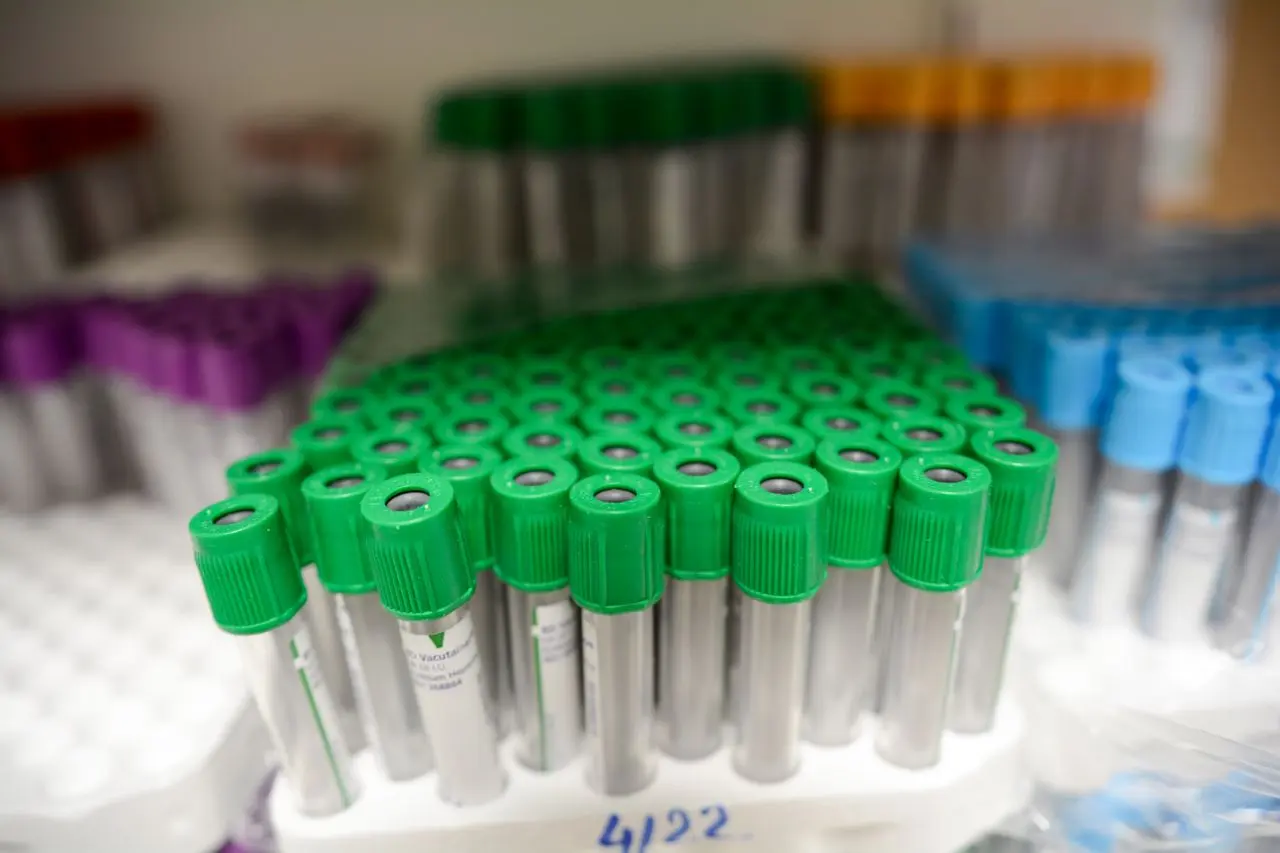
The single most common reason for a falsely high LDH is hemolysis. Red blood cells are rich in LDH, so if some of them break open during the blood draw or while the sample is being handled, the enzyme spills out and the measured level reads high even though nothing is wrong in your body. A tight tourniquet, a difficult draw, or delays in processing can all cause this. If your result is unexpectedly high and you feel well, a repeat test with a clean draw is often the first step.
What causes elevated LDH?
Elevated LDH can be caused by anything that increases tissue turnover or releases the enzyme into the blood, which spans a wide range from completely benign to medically significant. Because LDH lives in so many tissues, the list is long, and the test alone cannot tell which tissue is involved.
Common and often benign causes
- Hemolyzed sample: red blood cells broken during collection, the most frequent cause of a falsely high result.
- Strenuous exercise: intense or unfamiliar physical activity causes normal muscle turnover that raises LDH temporarily.
- Recent infection or illness: common viral and bacterial infections can elevate LDH while your body responds.
- Certain medications and alcohol: aspirin, anesthetics, some other drugs, and alcohol can affect LDH levels.
Medical causes worth investigating
When an elevation is real and persistent, clinicians consider conditions that damage or stress specific tissues, including liver conditions, kidney disease, anemia and red blood cell disorders, muscle injury, heart muscle damage such as after a heart attack, lung conditions, pancreatitis, and autoimmune conditions like lupus. Some infections, such as mononucleosis and others, can also raise it. Underlying chronic inflammation often sits beneath several of these.
Certain cancers can raise LDH as well, which is the cause most people worry about.
Does high LDH mean cancer?
No, a high LDH level does not mean you have cancer. LDH is a nonspecific marker, and an elevated result is far more often explained by something benign, such as exercise, a recent infection, or a hemolyzed blood sample, than by cancer. On its own, it is not a cancer test and is not used to screen for cancer in people without symptoms.
It’s true that some cancers can raise LDH because rapidly dividing cells turn over quickly and release the enzyme. In certain diagnosed cancers, such as some lymphomas, melanoma, and multiple myeloma, doctors use LDH not to find the cancer but to help assess its extent and track how it responds to treatment. That is a very different use from screening a healthy person.
So if your LDH is high in isolation, with no symptoms and no other abnormal findings, cancer is a low-probability explanation. A clinician will look at the full context, your symptoms, history, and other diagnostic test results, and decide whether any follow-up is warranted. The marker is a prompt to investigate further, not a verdict.
It also helps to understand why LDH and cancer are linked at all. Tumors that grow and divide quickly rely heavily on a form of energy metabolism that produces lactate, and LDH is the enzyme that drives that reaction, so larger or faster-growing tumors can release more of it. That mechanism is exactly why LDH is useful for staging and monitoring an already-diagnosed cancer, and exactly why it is useless as a standalone screening test: the same enzyme rises from a hard workout or a broken blood sample, with no way to tell the difference from the number alone.
This is a sensitive topic, and seeing an abnormal result can be stressful. If you are worried, that is understandable, and the right next move is a conversation with your provider rather than drawing conclusions from one number.
Symptoms that may accompany high LDH
High LDH itself does not cause symptoms, because it is a marker rather than a condition. Any symptoms you have come from the underlying cause, not from the enzyme level. This is why LDH is interpreted alongside how you feel.
If a meaningful elevation is tied to an underlying issue, the symptoms depend entirely on what that issue is. Muscle injury might come with soreness or weakness, anemia with fatigue and paleness, infection with fever, and liver involvement with other digestive or skin changes. A high LDH with no symptoms at all is common and often reflects a benign or temporary cause.
How is high LDH diagnosed and followed up?
A high LDH is followed up by clinical interpretation in context and, when needed, repeating or expanding testing rather than acting on the single value. Because the test cannot identify which tissue is responsible, the next steps are about narrowing that down.
Repeat the test. If a result is unexpectedly high, especially with a possible hemolyzed sample, a clean repeat draw often clarifies whether the elevation is real.
Look at the full panel. LDH is read alongside other markers, since patterns across several tests are far more informative than one number. Understanding the different types of blood tests and what each reveals helps put any single result in perspective.
Consider LDH isoenzymes. LDH comes in several forms (isoenzymes) that concentrate in different tissues. In some situations, measuring these can hint at which organ is involved, though more specific tests are usually used to confirm.
There are five main LDH isoenzymes, labeled LDH-1 through LDH-5, and each is more abundant in particular tissues. LDH-1 and LDH-2 are concentrated in the heart and red blood cells, LDH-3 in the lungs and other tissues, and LDH-4 and LDH-5 in the liver and skeletal muscle. When total LDH is high, the pattern of these fractions can occasionally point toward the source. In modern practice, though, more specific markers have largely replaced isoenzyme testing for many uses, such as troponin for heart muscle damage, so your clinician may go straight to a targeted test instead.
Check for contributing factors. Recent exercise, illness, medications, and alcohol are all worth accounting for before assuming a result reflects disease.How to lower high LDH levels
The most effective way to lower a high LDH level is to address whatever is raising it, because LDH is a downstream marker rather than a target to treat directly. There is no supplement or quick fix that meaningfully lowers LDH on its own, and chasing the number without understanding the cause is not useful.
If the elevation is benign and lifestyle-related, simple changes often bring it back to normal on a recheck. Allowing recovery time after intense exercise, moderating alcohol, treating an underlying infection, and reviewing medications with your provider can all help. Supporting liver health and reducing chronic inflammation through nutrition, sleep, and stress management can also help the tissues that contribute to LDH, though the aim is overall health rather than the number itself.
If the elevation reflects an underlying condition, the level will improve as that condition is treated. This is where addressing root causes matters more than the marker. For some people, persistent or unexplained results point to nutrient deficiencies or other patterns that are easy to miss with routine bloodwork alone, which is why testing that goes beyond the standard panel can be valuable.
When to see a doctor about high LDH
Clinical interpretation of blood test results is always encouraged over self-guided research. You should follow up with a clinician when LDH is markedly elevated, when it stays high on a repeat test, or when it comes with symptoms like persistent fatigue, unexplained weight changes, fever, shortness of breath, or pain. A mild, one-time elevation in someone who feels well is usually less urgent, but it is still worth mentioning at your next visit.
A single marker is only as useful as the interpretation around it. That is how Parsley Health works: board-certified clinicians who read your labs in full context, investigate the underlying drivers, and build an individualized plan rather than reacting to one value. For results tied to immune or autoimmune concerns, that root-cause lens is especially helpful. See if root-cause care is right for you.
Frequently asked questions
What is a dangerously high LDH level?
There is no single cutoff that defines a dangerous LDH level, because what matters is how far above normal it is and what is causing it. A level several times higher than the reference range is more concerning than a mild elevation and usually prompts prompt follow-up. The cause and your symptoms determine the significance far more than the number alone.
Can exercise or dehydration raise LDH?
Yes. Strenuous or unfamiliar exercise is a well-known cause of temporarily elevated LDH because it increases normal muscle cell turnover. Dehydration and the handling of the blood sample can also affect results. If you exercised hard before your test, that is worth mentioning, and a repeat draw after rest may give a clearer picture.
Does high LDH always mean something is wrong?
No. A high LDH often has a benign or temporary explanation, including a hemolyzed blood sample, recent exercise, or a passing infection. It is a broad signal of tissue turnover, not proof of disease. Your clinician interprets it alongside your symptoms and other results to decide whether anything needs attention.
How quickly can LDH levels return to normal?
It depends on the cause. Levels elevated by exercise or a hemolyzed sample can normalize within days, often on a simple repeat test. Levels raised by an underlying condition improve as that condition is treated, on a timeline specific to the cause. Your provider can advise when to recheck.
What other tests are done with LDH?
LDH is usually part of a broader workup. Depending on the situation, it may be paired with a complete blood count, liver and kidney panels, inflammatory markers, and sometimes LDH isoenzymes. Seeing the full pattern is what makes results meaningful, which is the idea behind looking beyond routine bloodwork.
A note on individual health: Lab results are individual and this article is educational rather than medical advice. It cannot diagnose the cause of your result. For an interpretation specific to you, review your labs with a licensed clinician who can consider your full history and symptoms.