
The average person isn’t getting nearly enough protein in their diet. And while the Paleo diet advocates for high protein intake, it’s not the perfect diet for everyone. Here’s how to do it better.
The Paleo diet is designed to take people back to the way our ancestors ate in the Stone Age, as hunter-gatherers. That means no processed foods and refined sugars, and no grains, dairy, or legumes. For the most part, people on the Paleo diet eat meat, fish, eggs, vegetables, fruit, nuts and seeds, and healthy fats and oils.
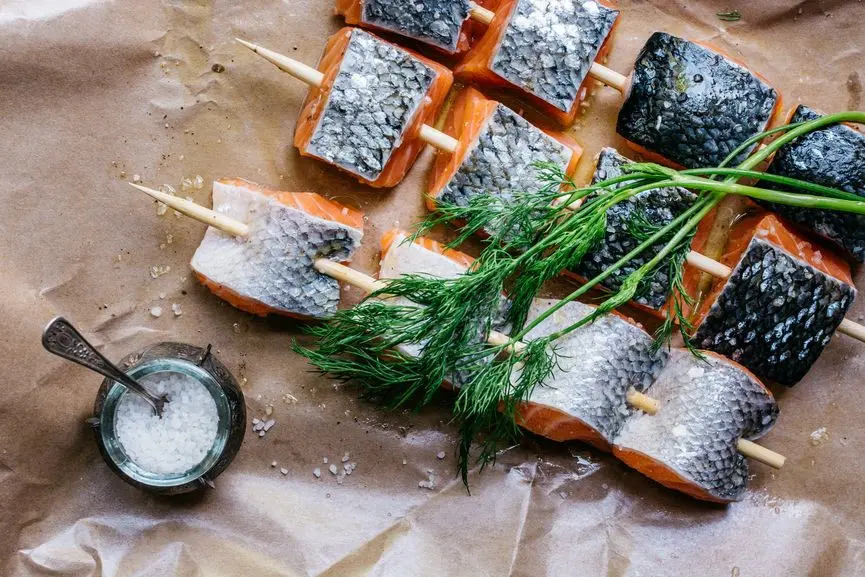
At Parsley Health, we take a slightly different approach with something we like to call plant-based Paleo (PBP). This means focusing on protein, greens, and healthy fat on every plate, and avoiding refined carbs, refined sugars, and trigger foods like gluten and dairy. Ideal protein sources for this style of eating include wild caught fish and seafood, and pasture raised local eggs. This style of eating keeps inflammation in the body low, which is key to optimizing your health and resolving many chronic conditions.
Regardless of if you decide the Paleo diet, PBP diet, or another eating style is right for you, taking a cue from the high protein tenant of the Paleo diet can be helpful. At Parsley Health, we find that many members are not getting enough protein, and they’re rarely getting as much protein as they actually think they are.
The average person should have at least 20 grams of protein per meal, or a minimum of 60 grams per day. If you’re highly active, meaning you work out regularly and do any kind of high intensity exercise, you may need up to one gram per pound of body weight per day. This means if you’re a very physically active 140 lb woman, you should be eating 140 grams of protein a day.
Chances are, if you eat out a lot of your meals, rely on takeout or prepared food, or even if you cook for yourself, you’re not getting anywhere near that and you’re a lot more carbohydrate reliant than you think.
A high protein diet, where studies show the most benefit, is considered one where anywhere from 20 to 35 percent of calories coming from protein. Most people who come to see us at Parsley Health are averaging less than 15 percent of dietary intake from protein.
I had one vegan patient swear to me that she was getting plenty of protein in her diet, but she was tired all the time, couldn’t build muscle, and found herself frequently getting injured in her long 5 mile runs. When we looked at her diet, she was only averaging about 30 grams of protein per day.
We worked with her to get around 60 grams of protein per day by eating more legumes, nuts, and seeds, and to open her diet to organic, free range eggs. She also added one of our Parsley Rebuild Protein Shakes to her breakfast every morning, which has 26 grams of vegan protein. Soon her energy levels skyrocketed and she stopped getting injured while running.