What Kills a Sore Throat Fast Overnight? Fast Sore Throat Home Remedies
What kills a sore throat fast overnight? Several evidence-backed remedies, including saltwater gargles, honey, warm fluids, and anti-inflammatory medications like ibuprofen, can provide meaningful relief within hours. How quickly any of these work depends largely on what is causing the discomfort in the first place.
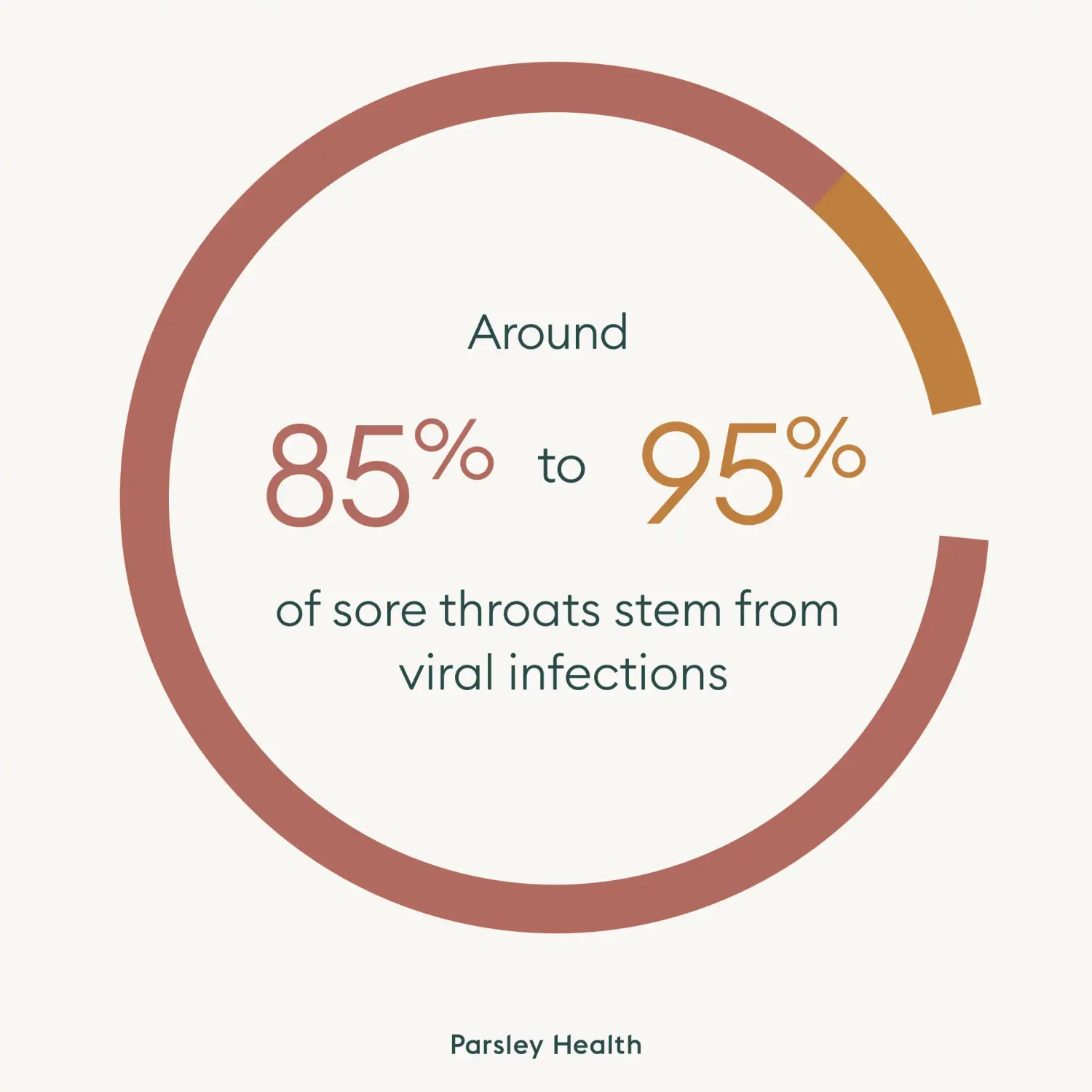
Sore throats have many possible triggers: viral infections like the cold, flu, or COVID-19 account for 85-95% of cases, while others stem from bacterial infections like strep throat, seasonal allergies, acid reflux, dry air, or voice overuse. A targeted approach that addresses the root cause will always outperform remedies that only treat the symptom.
In this guide, you will find the most effective overnight sore throat remedies, guidance on the best OTC medications for fast relief, and a deeper look at what functional medicine practitioners recommend for lasting recovery. Expert insights are provided throughout by Abie H. Mendelsohn, M.D., F.A.C.S., a laryngologist at the Los Angeles Center for Ear, Nose, Throat, and Allergy.
What causes a sore throat?
“A sore throat is pain or irritation in the throat that can worsen with swallowing or voice usage,” Abie H. Mendelsohn, M.D., F.A.C.S., a laryngologist at the Los Angeles Center for Ear, Nose, Throat, and Allergy, “They are usually due to inflammation of the throat lining (mucosa).”
What causes that inflammation in the first place varies. Often, we associate a sore throat with either an infection. Viral infections, when tiny germs enter our body, include the cold, flu, mononucleosis, and COVID-19. About 85-95% of sore throats stem from viral infections.
The second leading cause of a sore throat is a bacterial infection. Bacteria are small living organisms. All of us have bacteria inside us, but most are beneficial.Sometimes, we contract a bacteria that makes us sick, including A Streptococcus bacteria, the bacteria that causes strep throat.
“Aside from infections, many other factors can trigger a sore throat from allergies, postnasal mucus drip, and dry air (especially in winter) to exposure to pollutants or cigarette smoke,” says Dr. Mendelsohn, “Overusing your voice by shouting or talking for a long time can strain the throat muscles, and sometimes even acid reflux (stomach acid backing up into the throat, as in GERD) can result in a sore, burning throat.”
Since there’s so many potential medical conditions and lifestyle factors that can cause a dry, scratchy, or sore throat, it’s often best to work with a functional healthcare provider to determine the cause. A functional provider will take a whole-person approach, going beyond the symptom to get to the root cause of a sore throat.
Finally feel like yourself again
Join 89% of Parsley members who improve or eliminate their symptoms within the first year of care.
What Kills a Sore Throat Fast Overnight: Remedies That Actually Work
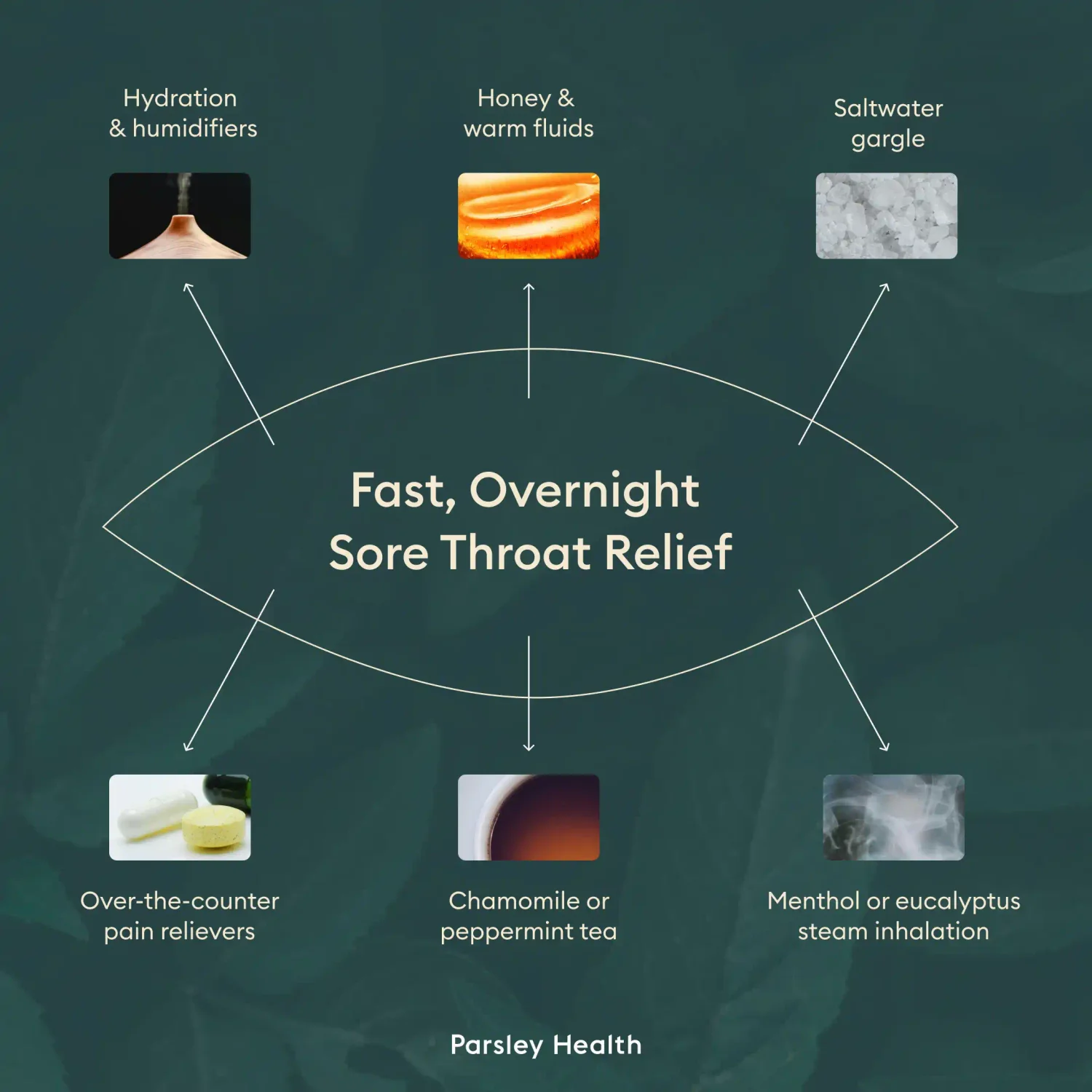
So, what kills a sore throat fast? There are a few quick remedies to try, though how effective they are depends on what’s causing the symptoms:
Saltwater gargle: “One of the fastest ways to soothe the throat is to gargle with warm salt water,” says Dr. Mendelsohn, adding that this could look like adding a half teaspoon of salt into a cup of warm water,“This can reduce swelling and irritation in the throat tissue.”
Hydration and humidifiers: A humidifier and staying hydrated keeps the throat damp, says Dr. Mendelsohn. In turn this moistness may ease a sore throat, especially if the discomfort is caused by dryness.
Menthol or eucalyptus steam inhalation: Inhaling steam with menthol or eucalyptus may open airways and reduce throat inflammation. These two essential oils have been particularly effective at reducing symptoms caused by viral infections.
Honey and warm fluids: “Drinking warm fluids is also very comforting,” says Dr. Mendelsohn, “Try herbal tea with honey or warm water with honey, as honey can coat and soothe the throat while also providing mild antimicrobial benefits.”
Over-the-counter pain relievers: Ibuprofen can help with inflammation, temporarily relieving symptoms for some. Many also find throat sprays and lozenges work too.
Try chamomile or peppermint tea: If your tendency when sick is to drink hot tea, embrace it. There’s growing evidence of how chamomile and peppermint tea can help. “Chamomile tea has anti-inflammatory effects and can promote relaxation,” explains Dr. Mendelsohn, “and peppermint tea contains menthol which can act as a gentle decongestant and throat soother.”
What Kills a Sore Throat in 5 Minutes?
While no remedy eliminates a sore throat in exactly five minutes, a few options deliver near-immediate relief. Gargling with warm salt water (half a teaspoon dissolved in a cup of warm water) can reduce swelling and irritation within minutes. Throat-numbing sprays containing phenol (like Chloraseptic) or benzocaine provide fast topical relief by temporarily numbing the throat lining. Menthol lozenges create a cooling sensation that reduces the perception of pain quickly. For a natural option, a spoonful of raw honey coats the throat and soothes irritation almost immediately, while also offering mild antibacterial properties.
Natural and functional medicine approaches to killing a sore throat fast overnight
Quick fixes are great for instant throat relief, but to stop a sore throat, not just put a metaphorical band-aid on symptoms, you have to treat the root cause: Inflammation. Certain nutritional and lifestyle choices can help with this.
Immune-supporting nutrients
Our immune system is the body’s primary defense against many infections and other causes of a sore throat. A robust immune system can fight off whatever is causing the sore throat quickly, while an ineffective one is not able to, leading to prolonged symptoms.
And what’s one of the most effective ways to boost the immune system? Feed your body the right nutrients. Immune-supporting nutrients fortify the immune system and reduce our susceptibility to infections and viruses.
Three immune-support nutrients to try are:
Vitamin C:This antioxidant helps immune cells function as intended and builds up the body’s resistance to infections. You can get vitamin C naturally through foods like oranges, kiwi, and bell peppers, or a vitamin C supplement.
Vitamin D: “Vitamin D also plays a key role in immune defense,” says Dr. Mendelsohn, “So maintaining healthy vitamin D levels through sensible sun exposure, fortified foods, or supplements can improve your resistance to respiratory infections.”
Zinc: Found in meat, shellfish, legumes, and nuts, zinc is a key nutrient for the immune system. It enhances immune system cells’ adaptability, resilience, and functionality while also reducing inflammation levels.
Anti-inflammatory foods
An anti-inflammatory diet, combined with adequate hydration, can help reduce inflammation, possibly relieving a sore throat. While there are various anti-inflammatory diets you can follow, most focus on adding more fruits, veggies, whole grains, nuts, and legumes to your plate.
Dr. Mendelsohn adds that for sore throats specifically, warm, liquid foods like soup and garlic provide additional benefits. He explains, “Garlic contains compounds like allicin that have immune-boosting and antimicrobial properties, which can help the body fight off illness.”
When eating for the immune system, you also want to focus on gut health. 70-80% of immune cells are in the gut, making the gut microbiome integral to the body’s response to illnesses and other health risks. “Consuming probiotic-rich foods, like yogurt or kefir, can indirectly support your immune system,” explains Dr. Mendelsohn. “Probiotics help maintain a healthy gut immune system, which contributes to recovering from a sore throat more quickly.”
Get enough rest
Getting seven to nine hours of sleep strengthens the body’s defenses because when we enter deep sleep, our body releases cytokines, a protein that reduces inflammation and helps fight infections.
“Quality rest also helps by simply giving your body time to heal,” says Dr. Mendelsohn, “when you’re asleep, you’re not using your throat as much, such as when talking or coughing, so the irritated tissues can rest and repair.” Plus, our immune system uses more of our body’s energy than usual when fighting a sore throat, leading to more fatigue. While it can be tempting to “power through,” try giving your body more rest to heal faster.
Your lab results, explained
Talk to a board-certified clinician for clear answers and personalized guidance around your recent lab test results.
The Best OTC Medications for Sore Throat Overnight Relief
When you need to get through the night with minimal discomfort, over-the-counter medications can be genuinely helpful. Here are the most effective options:
NSAIDs (ibuprofen or naproxen): Anti-inflammatory medications like ibuprofen (Advil, Motrin) or naproxen (Aleve) reduce both pain and inflammation at the source, making them more effective for throat soreness than acetaminophen, which only relieves pain. Take with food as directed on the label.
Acetaminophen (Tylenol): A good alternative if you cannot take NSAIDs due to stomach sensitivity. It relieves throat pain effectively but does not address underlying inflammation.
Throat-numbing sprays: Products containing phenol (like Chloraseptic) or benzocaine provide direct topical relief by temporarily numbing the throat lining. These are especially useful right before bed.
Menthol lozenges: Beyond masking pain, menthol creates a cooling effect that can reduce throat irritation and help manage the urge to cough, allowing for better sleep.
Antihistamines: If your sore throat is allergy-related, particularly if it is worse in the morning or accompanied by nasal congestion, an OTC antihistamine like cetirizine (Zyrtec) or loratadine (Claritin) may address the root trigger rather than just the symptom.
When to see a doctor
If symptoms last longer than five days, make an appointment with a healthcare provider who can diagnose the underlying cause and recommend the right treatment options. Ideally, see a functional medicine provider who can assess all potential causes of a sore throat and make a holistic treatment plan. This may include antibiotics if the cause is bacterial, nutritional and lifestyle changes that help in the long-term, and other treatments or medications as necessary.
Whether it’s been five days or less, see a doctor if a sore throat is accompanied by:
A high fever
Blood in saliva or phlegm
Dehydration
Difficulty breathing
Exposure to strep throat
Joint pain or swelling
Rash
Trouble swallowing
White patches in the throat
Prevention tips to avoid future sore throats
Preventing a sore throat largely comes down to small lifestyle changes:
Practice good hygiene, such as washing hands regularly, especially before eating and after coughing or sneezing
Don’t share personal items, like utensils or toothbrushes
Regularly disinfect surfaces you touch often, like phones and doorknobs
Steer clear of irritants, such as secondhand smoke or dusty air
Use a humidifier, especially in dry environments
Living a healthy lifestyle and following an anti-inflammatory diet can boost your body’s gut health and immune system, making it easier to combat an illness should it pop up.
“Maintaining a healthy lifestyle strengthens your body’s defenses,” concludes Dr. Mendelsohn, “A balanced diet, adequate sleep, staying well-hydrated, and staying up to date on flu shots and other recommended vaccines will support your immune system and make you less likely to come down with the infections that cause sore throats.”
Key takeaways
There are many potential causes for a sore throat, ranging from allergies to talking too much to infections like strep throat, mononucleosis, or the flu.
While there are sore throat remedies that can relieve symptoms quickly, many don’t address the underlying cause. To create an effective treatment plan, work with a functional medicine provider who will address the root cause, not just the symptoms.
Parsley Health, a leading functional medicine provider, helps people treat sore throats through a mix of the right medications, dietary changes, getting enough rest, and treating any underlying conditions that could be contributing to inflammation in the throat.
Frequently Asked Questions About Sore Throat Relief
How do you get rid of a sore throat asap?
Try a home remedy for a sore throat, such as drinking peppermint tea, using a humidifier, or inhaling menthol or eucalyptus steam, to get rid of a sore throat fast. Over-the-counter medications that reduce inflammation, like ibuprofen, may also help.
Can a sore throat go away overnight?
Yes, some sore throats can improve significantly overnight, particularly mild cases caused by dry air, voice overuse, or early-stage viral irritation. Using a humidifier, staying well-hydrated, and taking an anti-inflammatory medication before bed can all help speed recovery. Sore throats caused by bacterial infections like strep throat typically require antibiotic treatment to resolve fully and will not clear on their own overnight.
What is the fastest way to get rid of a sore throat?
The fastest way to relieve a sore throat is to combine multiple approaches at once: gargle with warm salt water, take an NSAID like ibuprofen to reduce inflammation, use a throat-numbing spray or lozenge for immediate comfort, and drink warm fluids with honey. Rest and adequate hydration support the body's healing process. If the sore throat is caused by a bacterial infection like strep, antibiotics prescribed by a healthcare provider offer the fastest path to full recovery.
How to tell if a sore throat is viral or bacterial?
Viral and bacterial sore throats present with common symptoms, making it difficult to differentiate the two at home. A healthcare provider can order tests to tell them apart. Usually, they’ll order a throat culture, which allows them to test for strep throat or other bacterial infections.
What drink kills a sore throat fast?
Warm tea, especially chamomile or peppermint tea, can soothe a sore throat fast. Many also find gargling warm water with a half teaspoon of salt helps, as does adding honey to tea or warm water. Parsley Health clinicians recommend making a tea out of 1 cup warm water, a tablespoon of thyme (fresh or dry), a teaspoon of honey, and a teaspoon of lemon. Pour boiled water over the thyme and allow it to steep for 4 minutes before adding the honey and lemon. Sip to help heal!
Editorial Standards
At Parsley Health, we believe better health starts with trusted information. Our content is accurate, accessible, and compassionate—rooted in evidence-based research and reviewed by qualified medical professionals. For more details read about our editorial process.
Your symptoms have a root cause. We'll uncover it, together.